
Tree Stump Grinding for Rental Properties: Below-Grade, Trip-Hazard Free
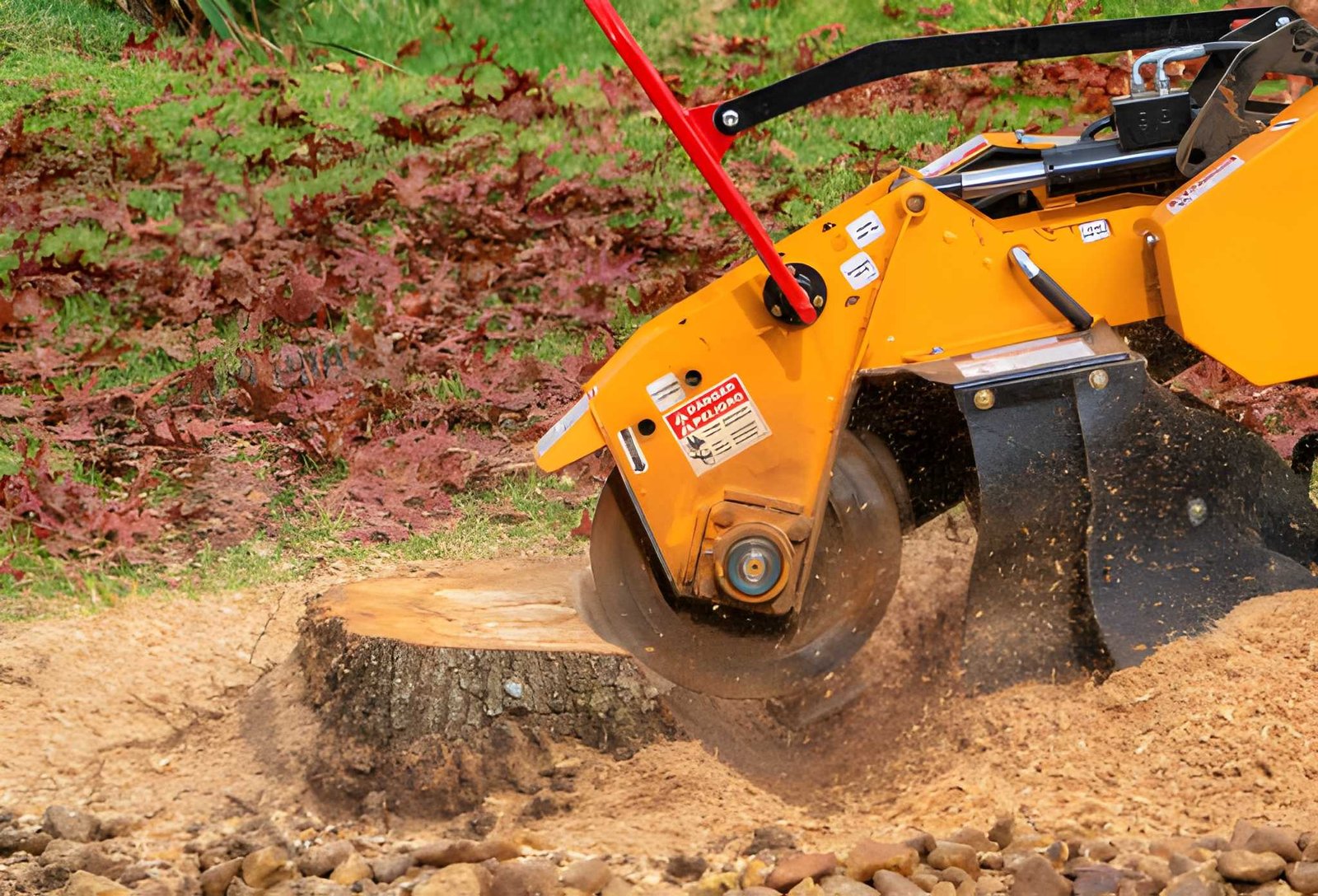
A remaining stump is a trip hazard, a termite staging ground, and an obstacle to replanting or hardscaping. We grind below grade with 48-hour quotes and same-day photo documentation. Single residential stumps typically complete in one to two hours. Multi-stump packages within five business days.
What a Neglected Stump
Actually Costs a Rental Property
The risk is not aesthetic. Across our tree care services, these are the three operational failure patterns we see most often on properties with unground stumps.
Trip Hazard Liability Starts at Grade Level
A stump at or near grade is a tenant safety risk. At curb height it is invisible to a lawnmower. We eliminate the hazard entirely by grinding 6 to 12 inches below grade, leaving no surface obstruction. Liability documentation is unavailable when the stump is still present at time of injury.
Decaying Wood Is a Termite Staging Ground
Decaying stumps are a preferred harborage for termites, carpenter ants, and wood-boring beetles. In Tampa, Orlando, Jacksonville, and Atlanta, active termite pressure makes a rotting stump a structural risk, not just a yard problem. We eliminate the food source before pest activity migrates to the structure.
Below-Grade Removal Unlocks Replanting and Hardscape
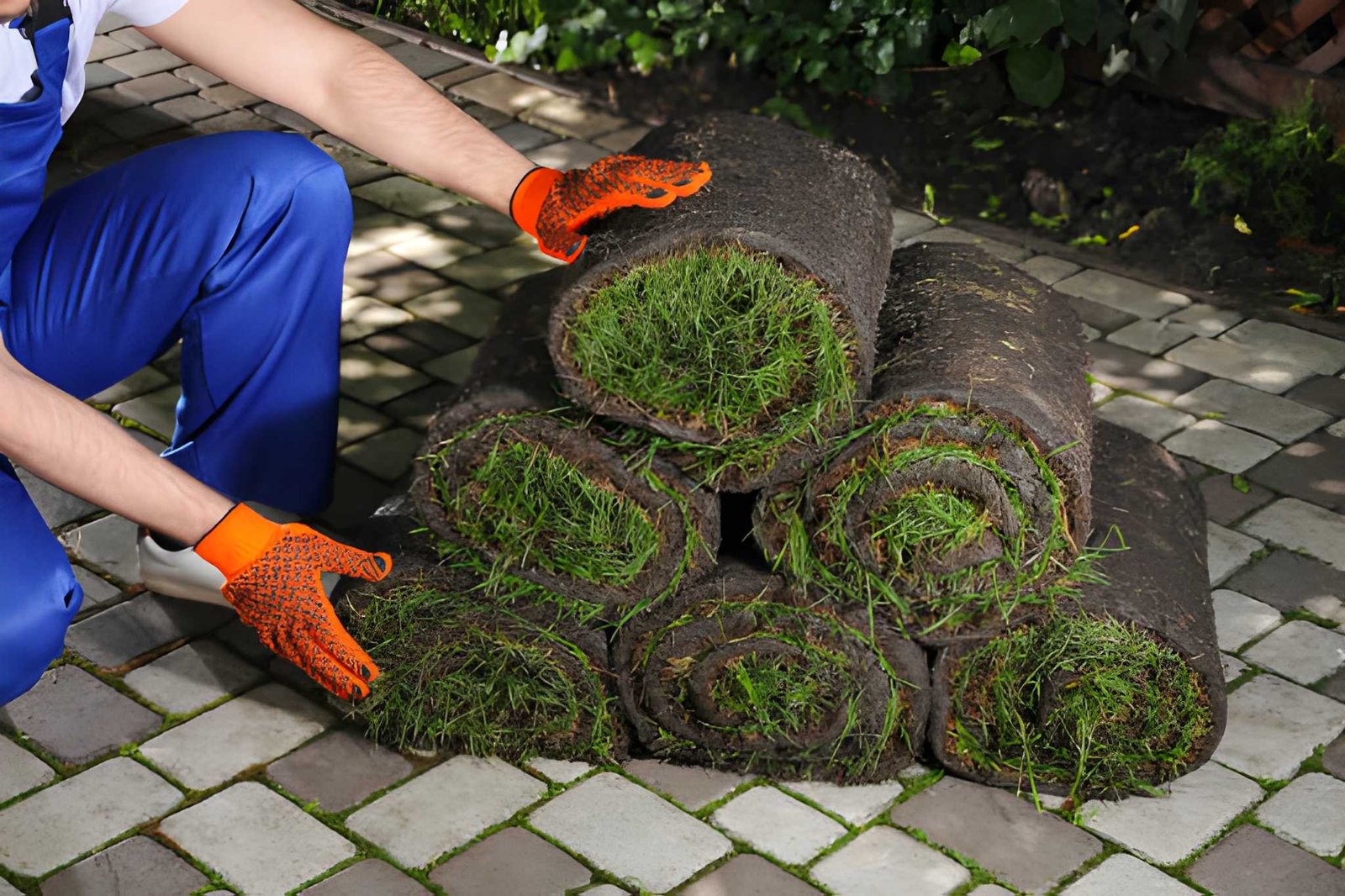
You cannot lay sod, install hardscape base material, or replant over an active root system. A stump left in place forces the sod installation or hardscaping work order to wait. We grind first so the follow-on work can proceed without delay.
Root Rot Spreads Underground Before You See It Above Ground
This is the risk most property managers do not budget for until it becomes expensive. Decaying stumps transmit Armillaria root rot fungus through soil contact to adjacent healthy trees. The infection travels through shared root systems, and by the time above-ground symptoms appear on a second tree, the fungal spread is already months old.
In our Florida markets (Tampa, Orlando, Jacksonville) and Atlanta, humid conditions accelerate fungal progression significantly compared to dry markets like Phoenix or Las Vegas. When we receive a stump grinding work order in those markets, this is part of what we are eliminating, not just the visible hazard.
Stump grinding does not need to wait for symptoms. In high-humidity markets, a stump sitting more than one season is an active risk to adjacent trees on the property.
Pest and Disease Entities Active in Our Markets
Termites (Subterranean): Active in all Florida and Georgia markets. Decaying wood at grade accelerates colony establishment. Most active April through October.
Carpenter Ants: Present across all 12 markets. Preferred in stumps with existing moisture intrusion. Often migrate to adjacent wood structures.
Armillaria Root Rot: Soil-borne fungal pathogen. Transmitted through root contact. Particularly aggressive in Tampa, Orlando, Atlanta, and Jacksonville clay soils.
Wood-Boring Beetles: Active in Arizona and Texas markets. Cadaver wood provides egg-laying substrate; larvae can migrate to nearby live trees and structural timber.
When to Prioritize Stump Grinding Across Our Markets
Stump grinding demand is not uniform across the year. Storm events, freeze-thaw cycles, and high-humidity seasons create predictable volume spikes in specific markets. Here is what we see operationally.
Hurricane Season Backlog (June–October)
Storm events in Tampa, Orlando, and Jacksonville produce large volumes of emergency tree removals followed immediately by stump grinding work orders. We see significant volume spikes June through October. If you manage properties in these markets and have existing stumps, dispatch before hurricane season reduces post-storm backlog risk.
Monsoon Season Accelerates Root Decay (July–September)
Phoenix and Tucson monsoon season (July through September) saturates caliche-heavy soils rapidly. This accelerates decay in existing stumps and increases termite and carpenter ant activity around decaying wood. It is also the season when irrigation damage from root systems becomes visible. Pre-monsoon dispatch is the recommended pattern.
Freeze-Thaw Root Heave (October–April)
Denver freeze-thaw cycles through winter cause root heave that can raise stump sections back above grade after initial decay softens the surrounding soil. Properties that delayed grinding in the fall often require re-assessment in spring. We recommend scheduling Denver stump grinding before first hard freeze (typically late October).
What Property Managers Say
After Their First Few Jobs
“Working with Breasy has been a game-changer for our properties. Their team is reliable, professional, and consistently goes above and beyond. It is a relief to have a partner we can trust.”
“Breasy provides a fast response to our requests and delivers excellent customer service. We highly recommend this company for great service at a fair cost.”
“Breasy felt like ordering something from Amazon. So easy. I love the photos they send so even when I am out of town, I know they were there.”
What’s Included in Every
Stump Grinding Work Order
Every work order is scoped before work begins. No scope creep, no surprise add-ons after photos are reviewed.
Below-Grade Stump Grinding
We grind to 6 to 12 inches below grade, depending on the intended future use of the area. Single residential stumps under 18 inches in diameter typically complete in one to two hours. Same-day service available on qualifying work orders depending on stump size and crew availability in your market.
Grinding Depth by Intended Use

Large-Diameter and Multi-Stump Packages
Stumps over 36 inches in diameter are quoted individually based on root spread and site access conditions. Multiple stumps on the same property or across properties in the same market are quoted as a package. Volume discounts apply when three or more stumps are ground in a single work order.
For portfolio managers submitting multi-property orders, we route a single crew where possible to reduce drive-time overhead. Packages typically complete within three to five business days depending on market and total stump count.
Surface Preparation After Grinding
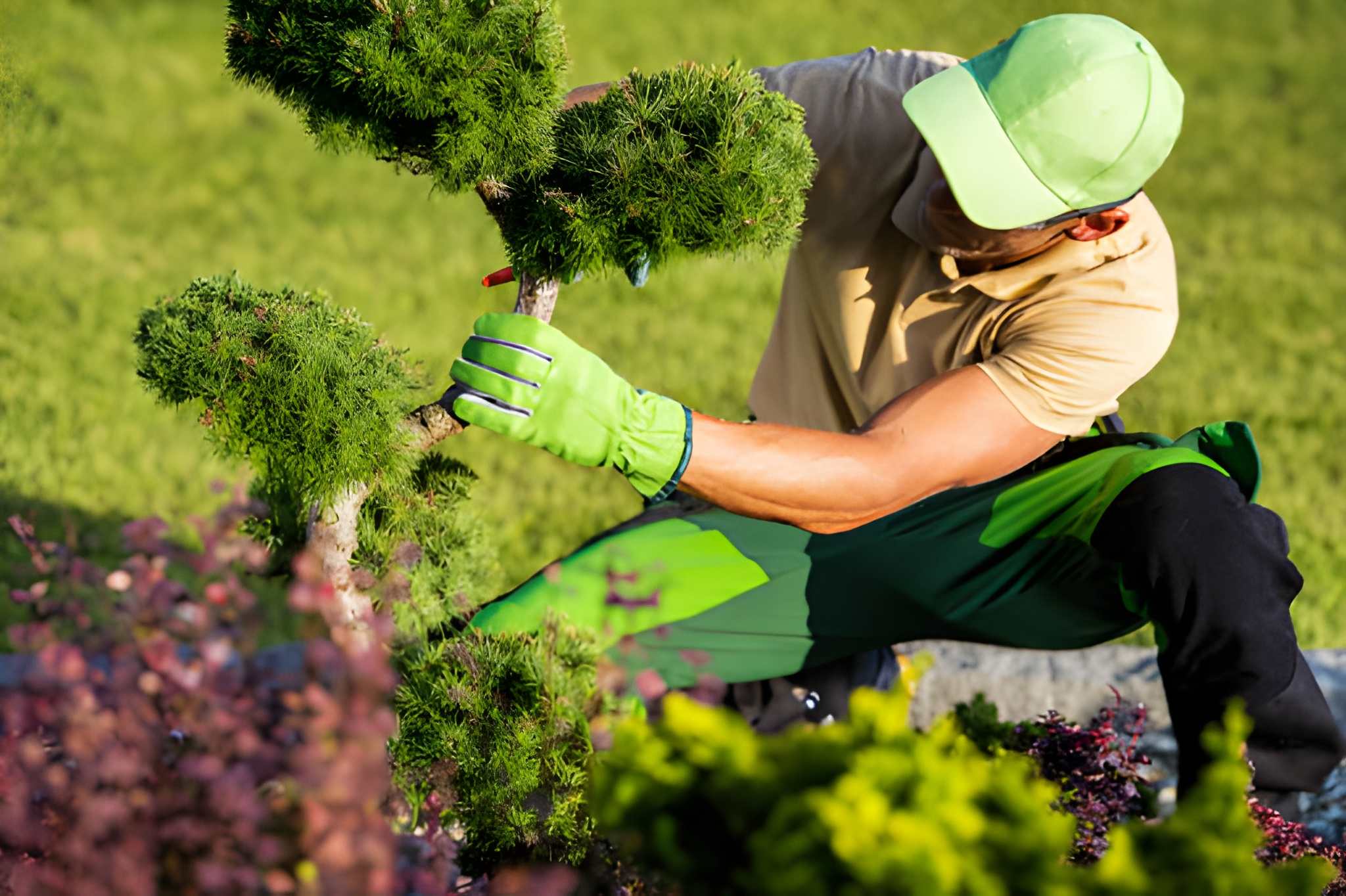
After grinding, the cavity is raked level and wood chips are returned as fill material by default. If the work order specifies chip haul-away and topsoil replacement, that is scoped separately at the quoting stage. The finished surface is left ready for the next step in the property preparation sequence, whether that is sod, hardscape base, or replanting.
Before-and-After Photo Documentation
Timestamped photos before grinding begins and after surface preparation is complete are required before any work order can be marked complete. Photos are delivered same day. For HOA-managed properties, these photos are formatted for board submission. No job closes without documentation on file.
Photos are stored against the work order and accessible for owner reporting, insurance documentation, or HOA compliance submissions. This is not an optional add-on. It is how our completion photos process works across every job.
What Drives the Cost of
a Stump Grinding Work Order
We do not publish flat rates because stump grinding is not a flat-rate service. Here are the four variables that move the quote.
Stump Diameter
Diameter is the primary cost driver. A 12-inch pine stump and a 36-inch oak stump are different jobs in terms of equipment time and blade wear. Single residential stumps under 18 inches are the fastest to complete and lowest to quote. Large-diameter stumps over 36 inches are quoted individually with a site note.
Root Spread and Soil Conditions
Wide root spread below grade increases grinding time significantly. In Phoenix and Tucson, caliche soil layers at 6 to 18 inches below grade can affect how easily the root ball grinds. In Denver, compacted clay affects equipment position requirements. These conditions are assessed at quoting, not discovered on arrival.
Site Access
Tight-access stumps near fencing, irrigation lines, or concrete require compact equipment. That affects crew setup time. We use equipment sized to the access available at each property, which is confirmed in the photo submission at the time of work order. No access surprises on job day.
Chip Removal vs. Chip Fill
By default, ground wood chips are raked back into the cavity as fill. If you need chip haul-away and topsoil replacement, that adds to the quote. Note it in the work order submission and it is scoped before approval. No verbal estimates that change on-site.
Every quote is market-rate and scoped before a crew is dispatched. You approve the number before any work begins. Payment is triggered by confirmed completion, not before. For property managers comparing rental rates, stump grinder rentals in Dallas run $90 to $400 per day with low-horsepower equipment that frequently cannot achieve below-grade depth. For portfolios with multiple stumps across multiple properties, a single dispatched work order eliminates the rental pickup, operator time, and re-do risk.
Built for Everyone Responsible
for a Property
From portfolio managers with 500 doors to individual homeowners. The process, pricing standard, and documentation are identical regardless of portfolio size.
Property Managers
Submit from AppFolio, Buildium, or email. Quotes in 48 hours, completion photos same day, single point of contact across all work orders. No chasing vendors for status updates.
Property manager workflow →Real Estate Investors
Submit the work order, approve the quote, receive photos proving completion across all portfolio properties. No per-property vendor relationships to manage.
Investor submissions →Homeowners
Individual homeowners submit work orders the same way portfolio managers do. Market-rate pricing, before-and-after photos, invoice on confirmed completion.
Homeowner process →Tenants and Residents
Flag a maintenance issue directly. Your property manager submits the work order and we handle execution, documentation, and follow-up.
Tenant reporting →How the Work Order Process
Works, Step by Step
No vendor coordination on your end, no follow-ups, no wondering if the crew showed up. Our routing logistics handle assignment and dispatch internally.
Submit, Get a Quote, Approve
Send the work order from your PM software, by email, or through our portal. Include photos of each stump with a reference object for diameter. We integrate with AppFolio, Buildium, RentVine, and most major platforms.
Within 48 hours, you receive a scoped, market-rate quote with grinding depth specified per stump. Approve it and the job is scheduled. No quote goes to scheduling without your approval.
Dispatched, Completed, Documented
Our routing system assigns the nearest available provider. For single residential stumps, this typically means same-day or next-business-day scheduling in active markets. Multi-stump packages route to a crew with the right equipment for the diameter and access conditions on file.
Before-and-after photos are required before any job can be marked complete in our system. The job does not close without documentation on file. If a provider cannot complete to scope, we re-dispatch. That is not an escalation process. It is how fulfillment works operationally.
Photos and Invoice, Same Day
The day work is completed, you receive timestamped before-and-after photos and an invoice. Payment is triggered by confirmed completion, not before work begins. Photos are board-ready for HOA submissions and owner reporting without any additional formatting.
If the Job Is Not Right When We Close the Work Order, We Fix It
Every stump grinding work order closes with before-and-after photo review. If the depth is not to spec, the cavity is not leveled, or the surface is not ready for the next phase of work, the job does not close and the provider goes back. That is not a customer service policy. It is how our documentation review process works in every market.
HOA Documentation After Stump Grinding: What Boards Require
HOA-managed communities in our markets require documentation that the stump was removed to grade and the area was restored. Our same-day photo documentation is formatted to meet this requirement without additional preparation on your end.
In Phoenix, Las Vegas, Denver, and Tampa, where HOA density is high across single-family rental portfolios, this comes up on nearly every tree removal or stump grinding work order. The before-and-after photos we deliver include timestamps, property address metadata, and ground-level angles that satisfy standard board submission formats.
You do not need to request this separately. Every stump grinding job closes with documentation that is board-ready by default.
What Our Documentation Covers for HOA Boards
Timestamped before photo showing stump at grade, with property address visible in frame or noted in file metadata.
Timestamped after photo showing below-grade surface, leveled cavity, and cleared area.
Work order number and completion date included in photo delivery, matching the invoice.
Photos delivered same day as job completion. Board submission does not wait for a separate documentation request.
If the HOA requests additional angles or written scope confirmation, that is handled through the same single point of contact that managed the original work order.
Breasy vs. Managing
Vendors Yourself
Most property managers already know the operational failure modes. Here is what the difference looks like in practice.
| Breasy | Solo Vendor | Marketplace | |
|---|---|---|---|
| Quote turnaround | ✓ Within 48 hours | 2 to 5+ days, inconsistent | Varies by vendor response |
| Same-day service | ✓ Available on qualifying orders | ✕ Not offered | ● Rare, premium cost |
| Before-and-after photos | ✓ Required on every job | ✕ Rarely provided | ● Depends on vendor |
| Same-day invoice | ✓ Delivered day of completion | ✕ Often delayed | ● Varies |
| HOA documentation | ✓ Board-ready photos, every job | ✕ Not standard | ✕ Not included |
| Re-dispatch guarantee | ✓ Managed internally if provider fails | ✕ You manage follow-up | ✕ Platform not accountable |
| Portfolio coordination | ✓ Single point of contact | ✕ Per-property relationship | ✕ Separate vendors per job |
| Depth specification at quoting | ✓ Scoped by intended use before approval | ✕ Rarely specified | ✕ Not included |
| Get a Stump Grinding Quote → |
Straight From the Property Managers
Who Use Us Every Week
“They are amazing. Quick and efficient. Great job and amazing to work with.”
“Breasy is fairly priced and reasonable. They work with all budgets and are a reliable service.”
“Being able to hand off a work order and trust that everything will be professionally managed from start to finish has made a meaningful difference in our day-to-day workload. The detailed reporting they provide has been incredibly valuable when communicating with owners.”
Works With Your Existing Property Management System
Submit work orders from whatever platform you already use. No new software, no new logins, no workflow changes on your end.










Common Questions About
Stump Grinding
Is same-day stump grinding available?
How deep does stump grinding go?
What happens to the wood chips after grinding?
Is stump grinding included in a tree removal work order?
Can you grind stumps in tight access areas near fencing or irrigation?
Does a rotting stump need to be ground immediately?
Can stump grinding photos be used for HOA board submissions?
Stump Grinding Across
All 12 Markets
We operate across Arizona, Texas, Florida, Georgia, Nevada, Colorado, and Washington. Same process, same documentation standard, same quote turnaround in every market.
Submit Your Stump Grinding
Work Order Today
Submit photos of the stumps with your work order. We quote within 48 hours, dispatch to the nearest available provider, and deliver before-and-after photos same day as completion. Re-dispatch guaranteed if the job is not completed to scope.