You should hire a handyman for repairs under $1,000 in combined labor and materials that don’t require a building permit. And for anything above that threshold, or for any electrical, plumbing, HVAC, or roofing work, regardless of cost, it’s much better to hire a licensed contractor.
Arizona’s Registrar of Contractors enforces this strictly, and property managers who get it wrong often face project shutdowns, liability exposure, and no access to the state recovery fund when work goes bad.
The $1,000 rule sounds simple until you’re managing 50 or 100 doors and making these calls daily. A broken garbage disposal might fall under the exemption.
A water heater replacement never does. Interior painting usually qualifies. Adding a bathroom exhaust fan requires a licensed contractor because it involves electrical work. Understanding where these lines fall protects your properties, your owners, and your license.
Quick summary
- The $1,000 limit covers combined labor AND materials for a single project — not per visit or per work order — and permit requirements override the exemption entirely regardless of dollar amount.
- Electrical, plumbing, HVAC, roofing, and structural work require a licensed contractor no matter how small the job, and splitting projects to stay under the threshold is explicitly illegal under Arizona law.
- Verify every contractor through the AZ ROC portal at time of dispatch, confirm their license classification matches the actual scope, and request insurance certificates naming the property owner as additional insured.
Stop guessing which Arizona jobs need a licensed contractor.
Get a market-rate quote within 48 hours, work done in 5 business days.
GET COMPLIANT MAINTENANCEArizona’s $1,000 Rule: The Handyman Exemption Explained #
Arizona Revised Statutes Section 32-1121 creates what’s commonly called the handyman exemption. This section defines exactly what unlicensed individuals can legally perform, but most property managers misunderstand the details.
What the Arizona Handyman Exemption Actually Covers #
The exemption applies when total labor and materials combined stay under $1,000 for a single project. This isn’t just labor cost. Materials count too. A $400 repair with $650 in materials crosses the threshold and requires a licensed contractor.
The work must also fall outside permit requirements. Even a $200 job needs a licensed contractor if the city code requires a permit. Minor repairs like drywall patching, fixture replacement, basic carpentry, and interior painting qualify when they stay under the dollar limit.
Property managers miss this detail more than any other. The exemption doesn’t reset per property or per work order. A handyman performing three small jobs at the same address on the same day may trigger the threshold when combined. Arizona courts have upheld citations where contractors split projects to avoid licensing requirements.
When Building Permits Override the $1,000 Threshold #
Permit requirements always supersede the dollar exemption. Phoenix, Tucson, and most Arizona municipalities require permits for work involving structural changes, electrical modifications, plumbing alterations, and mechanical system installations.
A simple example shows how this plays out. Replacing a standard light switch costs under $100 and doesn’t require a permit. Installing a new ceiling fan where no fixture existed requires electrical work, needs a permit, and demands a licensed contractor, even if the total cost stays under $200.
The dollar amount looks safe, but the permit requirement makes the exemption irrelevant. Always check permit requirements before assuming small-dollar jobs qualify for unlicensed work.
Work That Always Requires a Licensed Contractor in Arizona #
Certain trade categories require licensure regardless of project cost. Arizona law carves out these specialties because improper work creates safety hazards and code violations that affect future property transactions.
Electrical Work Licensing Requirements #
All electrical work beyond simple fixture replacement requires an Arizona ROC license in the CR-11 Electrical classification or equivalent. This includes panel modifications, circuit additions, outlet installations, and any work inside electrical boxes.
Property managers underestimate what counts as electrical work. Installing a smart thermostat that requires new wiring needs a licensed contractor. Adding USB outlets in a kitchen requires licensure. Replacing a standard outlet with a GFCI outlet requires a license because it modifies the electrical system.
Electrical fires traced to unlicensed work void insurance coverage and create direct liability for property managers who authorized the work.
Plumbing Work Licensing Requirements #
Plumbing falls under the CR-37 plumbing license classification. Any work involving supply lines, drain lines, water heaters, or gas connections requires licensure regardless of cost.
Water heater replacement is the most common permit violation in Arizona work orders. Property managers assume a $500 job falls under the handyman exemption — it doesn’t.
Water heaters involve gas or electrical connections, water supply lines, and pressure relief requirements that all demand licensed work. In the Phoenix metro, water heater requests routinely arrive as handyman tickets before scope review flags them for licensed dispatch.
Garbage disposal replacement sits in a gray area with a clear rule: if you’re swapping an existing unit into identical connections, most jurisdictions treat it as maintenance. If any plumbing modification is required, CR-37 licensure applies. When in doubt, confirm with your local building department before dispatching.
HVAC and Mechanical Systems #
HVAC work requires CR-39 air conditioning and refrigeration licensure. This covers installation, repair, and replacement of heating and cooling systems.
Common triggers for licensed dispatch include mini-split installations, ductwork modifications, condenser unit replacements, and refrigerant handling—all of which require licensed contractors.
Less obvious triggers include thermostat replacements that require new low-voltage wiring and air handler work that involves electrical connections inside the unit.
Filter swaps and basic coil cleaning on residential-grade equipment fall under maintenance and don’t require licensure. Arizona’s heat makes HVAC critical infrastructure, and the state takes violations seriously.
Structural and Roofing Work #
Structural modifications require a B-1 General Commercial Contractor or B-2 General Residential Contractor license depending on property type. This includes load-bearing wall changes, foundation work, and additions.
Roofing falls under CR-42 Roofing licensure. Even minor roof repairs require permits and licensed work. A simple leak repair might qualify for the handyman exemption, but replacing damaged sheathing or modifying flashing requires licensure.
Whereas these trade categories require no ambiguity, daily turnover decisions blur the line between exempt maintenance and licensed work.
Common Property Maintenance Tasks: Licensed vs. Unlicensed #
Turnover Maintenance Classification #
Turnover work mixes exempt and licensed tasks. Interior painting, carpet cleaning, drywall touch-ups, and basic fixture replacements qualify for unlicensed work when under $1,000.
Garbage disposal replacement during turnover follows the rule stated above: Existing connections with no modification are maintenance, while modified connections require plumbing licensure.
Appliance replacement follows similar logic. Swapping a dishwasher into existing connections differs from installing a dishwasher where none existed. The second scenario requires both plumbing and possibly electrical licensure.
| Turnover Task | License Required? | Notes |
|---|---|---|
| Interior painting | No (if under $1,000) | Standard handyman work |
| Carpet replacement | No (if under $1,000) | No permit required |
| Drywall repair | No (if under $1,000) | Structural damage changes this |
| Light fixture swap | No | Same location, same wiring |
| Outlet replacement | Yes | Electrical modification |
| Water heater swap | Yes | Always requires CR-37 |
| Garbage disposal (existing) | Usually not. | Confirm with the local jurisdiction |
Landscaping and Irrigation Licensing #
Arizona doesn’t require contractor licensing for most landscaping work. Mowing, trimming, planting, and basic hardscape maintenance fall outside ROC requirements. This makes landscape vendors easier to source than trade contractors.
Irrigation repair gets more complex. Basic sprinkler head replacement and valve adjustments don’t require licensure. However, connecting irrigation systems to potable water supplies requires compliance with plumbing code requirements. Backflow preventer installation or testing requires specific certifications in most Arizona municipalities.
Exterior Repairs and Painting #
Exterior painting doesn’t require licensure if under $1,000, but lead paint regulations apply to pre-1978 properties. Federal EPA requirements mandate RRP certification for any work that disturbs lead-based paint, regardless of Arizona state licensing rules.
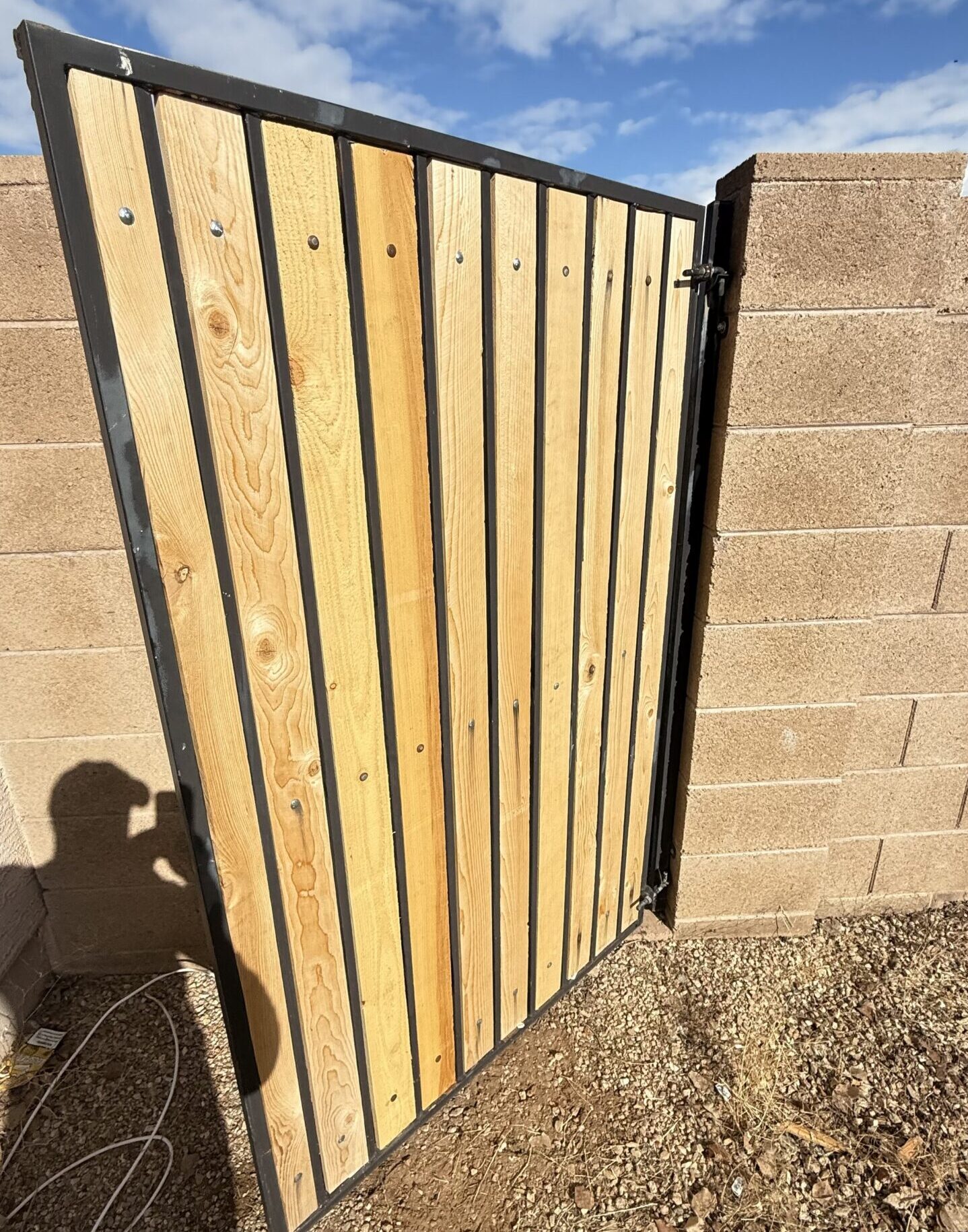
Fence repair qualifies for unlicensed work—replacing boards, repairing gates, and minor post work fall under general maintenance. Full fence replacement over $1,000 requires a licensed contractor.
Risks of Using Unlicensed Contractors for Property Maintenance #
The consequences of unlicensed work extend beyond the immediate project. Property managers face cumulative risk that compounds across a portfolio.
No Access to Arizona Recovery Fund #
Arizona’s Residential Contractors’ Recovery Fund compensates homeowners when licensed contractors perform defective work or abandon projects. The fund covers up to $30,000 per claimant for residential properties.
Unlicensed work disqualifies claims entirely. When a property owner experiences shoddy work from an unlicensed worker, they have no access to the recovery fund. Their only recourse is civil litigation against the individual, which rarely produces meaningful recovery.
Property managers who approve unlicensed work for licensed tasks eliminate this protection for their clients. That creates liability exposure in addition to the direct damages from defective work.
Insurance and Liability Exposure #
Most general liability policies exclude coverage for work requiring licensure performed by unlicensed individuals. Most carriers deny the claim when unlicensed work causes the damage — a ceiling collapse from improperly supported drywall installed without the required license leaves the property manager holding the loss.
Property managers sometimes assume their own E&O coverage protects against vendor selection errors. Policy exclusions for willful violations of building codes or licensing requirements appear in most professional liability policies — that assumption doesn’t hold.
Arizona courts hold property managers liable when they knew or should have known work required licensure.
Project Shutdown and Code Violations #
Building inspectors can issue cease and desist orders when they discover unlicensed work, stopping projects mid-construction and requiring licensed contractor involvement to resume.
The costs compound quickly. You pay the unlicensed worker, then pay a licensed contractor to complete the work, then pay inspection fees and permit penalties. An $800 job that crossed licensing requirements can cost $2,500 by completion.
Code violations also appear on property records. Future sale transactions surface these violations during due diligence. Buyers negotiate price reductions or require remediation before closing.
Key takeaway
The financial hit from unlicensed work rarely comes from a single bad job — it accumulates silently through voided insurance claims, code violations on property records, and civil liability that only surfaces when a property sells or a tenant is injured.
How Property Managers Can Verify Arizona Contractor Licenses #
Verification takes two minutes but prevents thousands of potential damages. Arizona makes license lookup straightforward through the ROC system.
Using the AZ ROC License Lookup #
The Arizona Registrar of Contractors maintains a public license lookup portal. Enter the contractor name or license number to verify current status.
Key information available includes license classification, effective dates, bond status, and complaint history. The ROC complaint history shows unresolved disputes and disciplinary actions.
Property managers should screenshot license verifications for their files. When questions arise about contractor selection, documentation proves due diligence.
What to Check Beyond License Status #
License status alone doesn’t ensure quality work. Check that the license classification matches the work scope. A general contractor license doesn’t authorize specialized electrical or plumbing work.
Verify insurance coverage directly with the carrier, not just the contractor. Request current certificates of insurance naming the property owner as additional insured for larger projects.
Bond amounts matter for work involving substantial labor or materials costs. Arizona requires minimum bond amounts by license classification, but contractors can carry higher bonds—larger bonds provide more recovery options if disputes arise.
Most guides stop at license verification. The real issue is ongoing compliance monitoring. A contractor licensed today may have suspended status next month. For property managers running maintenance across multiple properties, verification at the time of dispatch matters more than vendor file documentation.
“We built permit and license checking directly into our quoting process because we saw property managers repeatedly exposed to violations they didn’t know they were creating,” says Ben Souva, CEO and founder of Breasy. “When you’re managing dozens of properties, you need a system that catches these issues before work begins, not after an inspector shows up.”
Scaling Compliant Maintenance Across Multiple Properties #
Single-property decisions scale poorly. A property manager handling 100 doors faces licensing compliance decisions dozens of times weekly. The administrative burden becomes unsustainable without systems.
The Challenge of Vendor Compliance at Scale #
Most property managers verify a plumber once, add them to the spreadsheet, and dispatch them for years, yet licenses expire, insurance lapses, and bond status shifts without notice.
The real compliance question isn’t whether you verified last year—it’s whether the contractor remains compliant at the moment you dispatch them. That verification burden doesn’t scale across a portfolio.
As Bahia Property Management noted about working with Breasy: “Fast response to requests and excellent customer service.” That responsiveness matters because licensing status can change between when you add a vendor to your list and when you actually dispatch them.
How Breasy Handles Licensing Compliance for Property Managers #
So, the operational question shifts from whether to verify to how verification happens automatically at scale.
Breasy maintains licensing verification as part of every work order. When you submit a request, we determine license requirements based on scope and location, then route jobs to appropriately licensed field team members who are insured and background-checked.
You receive a market-rate quote within 48 hours, and once approved, work is completed within 5 business days, documented with same-day completion photos before any invoice is generated. Our 90% quote approval rate reflects that property managers trust the assessments we deliver.
The compliance burden shifts entirely. You don’t verify licenses, check insurance, or track bond status. Breasy handles execution and delivers documented proof of completion across everything from lawn care to handyman repairs to tree services.
GPS Renting has seen this difference firsthand: “Working with Breasy has been a game-changer for our properties.” Property managers across Phoenix, Tucson, and other Arizona markets use Breasy to standardize maintenance operations. Licensing compliance is built into every work order — not a checklist you manage separately.
Your Arizona portfolio deserves maintenance that’s compliant by default.
Every Breasy work order includes licensing verification, execution, and same-day photo documentation.
START YOUR FIRST WORK ORDERFrequently Asked Questions: Arizona Handyman vs. Contractor #
Can a handyman replace a water heater in Arizona? #
No. Water heater replacement requires a CR-37 plumbing license regardless of cost. The work involves water supply connections and either gas or electrical systems. Arizona law prohibits unlicensed water heater installation even when the total cost falls under $1,000.
Does interior painting require a contractor’s license? #
Interior painting doesn’t require a contractor’s license if labor and materials stay under $1,000 combined. Pre-1978 properties require EPA RRP certification for work disturbing lead paint, which is a separate federal requirement from Arizona contractor licensing.
Can I split a project into smaller jobs to avoid the $1,000 limit? #
No. Arizona explicitly prohibits splitting projects to avoid licensing thresholds. Courts have upheld citations where contractors or property managers divided work to stay under the exemption. The ROC evaluates total project scope, not individual work orders.
What happens if unlicensed work fails a city inspection? #
The city issues a cease and desist order, stopping all work. A licensed contractor must complete the project. You’ll pay for completed unlicensed work, licensed contractor fees, reinspection fees, and potential penalties. The building department holds the project until a licensed contractor pulls corrected permits—a process that runs weeks, not days.
How do I report unlicensed contractor activity in Arizona? #
File a complaint through the Arizona Registrar of Contractors website. The ROC investigates unlicensed activity and can issue citations, fines, and criminal referrals. Property managers can also report violations to local building departments.