By Ben Souva, CEO & Founder of Breasy | Decades of property maintenance experience | 100,000+ jobs completed
A complete summer property maintenance checklist covers exterior repairs, HVAC service, irrigation checks, and turnover prep across May through August. You want to start with post-winter damage assessment, then move to cooling systems, landscaping, and interior inspections before peak leasing season hits.
Summer is when deferred maintenance costs you the most. AC failures happen during heat waves, and irrigation leaks increase water bills. This checklist provides the exact sequence for protecting property value and keeping tenants comfortable during the hottest months.
Quick Summary
- Start exterior inspections in the first two weeks of May. Calendars fill fast after Memorial Day.
- AC and irrigation failures are the two most expensive summer emergencies. Both are preventable with a May service schedule.
- Summer turnover timelines run 11 days from move-out to showing. Documentation on Day 1 protects every day after.
- Properties with completed preventive maintenance log significantly fewer heat-related tenant calls in June and July.
Get quotes before calendars fill.
48-hour quote turnaround. Jobs completed within 5 business days.
Request a QuoteWhy Summer Maintenance Matters for Rental Properties #
Summer creates specific stress on rental properties, with heat-expanding materials, UV rays degrading surfaces, and heavy use of cooling systems revealing hidden problems. It’s important to address these issues proactively, or you pay emergency rates when systems fail mid-July.
Protecting Property Value Between Tenants #
Preventive maintenance during summer preserves your asset’s condition year-round. In one Bahia Property Management portfolio we service, we documented over $6,000 in preventable damage from a single summer of neglected exterior upkeep.
Peeling paint becomes wood rot, while a minor roof leak quietly becomes ceiling damage. Summer’s dry weather makes it the right time to complete repairs—paint adheres, sealants cure, and concrete sets without rain delays.
Maintained exteriors also lease faster. GPS Renting, one of our property management partners, reduced vacancy days across their portfolio after implementing consistent seasonal upkeep—because prospective tenants read neglect from the curb before they ever see the inside.
Preventing Costly Emergency Repairs #
When every technician is booked solid during a July heat wave, you pay premium rates and wait longer. Here’s what typically breaks down during summer:
- AC compressors fail under sustained 100°F+ operation
- Irrigation valves crack from heat expansion
- Roof flashing lifts as materials expand and contract
- Exterior caulking separates, allowing water intrusion
Exterior Summer Maintenance Checklist #
Exterior inspections should happen within the first two weeks of May. Walk the entire property perimeter. Document everything with photos before approving any work.
Roof and Gutter Inspection #
Start at the top. Winter storms leave debris. Spring rains reveal weak points. Summer heat will make everything worse.
Roof inspection priorities:
| Item | What to Check | Action Threshold |
|---|---|---|
| Shingles | Proper drainage away from the foundation | Replace if 20%+ affected |
| Flashing | Separation around vents, chimneys | Reseal or replace |
| Gutters | Clogs, sags, separation from fascia | Clean and reattach |
| Downspouts | Proper drainage away from foundation | Extend if within 4 feet |
Most guides recommend annual roof inspections. The real issue is timing. Post-winter inspection catches damage before summer heat accelerates deterioration. A lifted shingle in May becomes a leak by August.
Gutter cleaning prevents water damage during summer monsoons in Phoenix, Houston, and Florida markets. Clean gutters twice yearly minimum.
Exterior Paint and Siding Repairs #
Summer’s low humidity makes it the best season for exterior painting. But surface prep matters more than paint quality.
Inspection checklist:
- Peeling or bubbling paint (indicates moisture intrusion)
- Exposed wood (seal within 2 weeks to prevent rot)
- Cracks in stucco or siding (fill before monsoon season)
- Faded or chalking surfaces (cosmetic, lower priority)
Prioritize areas that trap moisture: window frames, door thresholds, and and trim joints. These fail first. In humid markets like Orlando and Houston, check north-facing walls closely. They dry more slowly and develop mold faster.
Foundation and Walkway Assessment #
Freeze-thaw damage from winter shows up as cracks in concrete and shifting in walkways. Summer heat continues the expansion cycle.
Walk on every concrete surface. Mark cracks wider than 1/4 inch. Check for trip hazards that pose safety risks and increase liability exposure.
Foundation warning signs:
- New cracks in exterior walls
- Doors or windows are suddenly sticking
- Gaps between walls and floors inside
- Visible settling or heaving
Foundation issues require professional inspection. Don’t guess on structural problems.
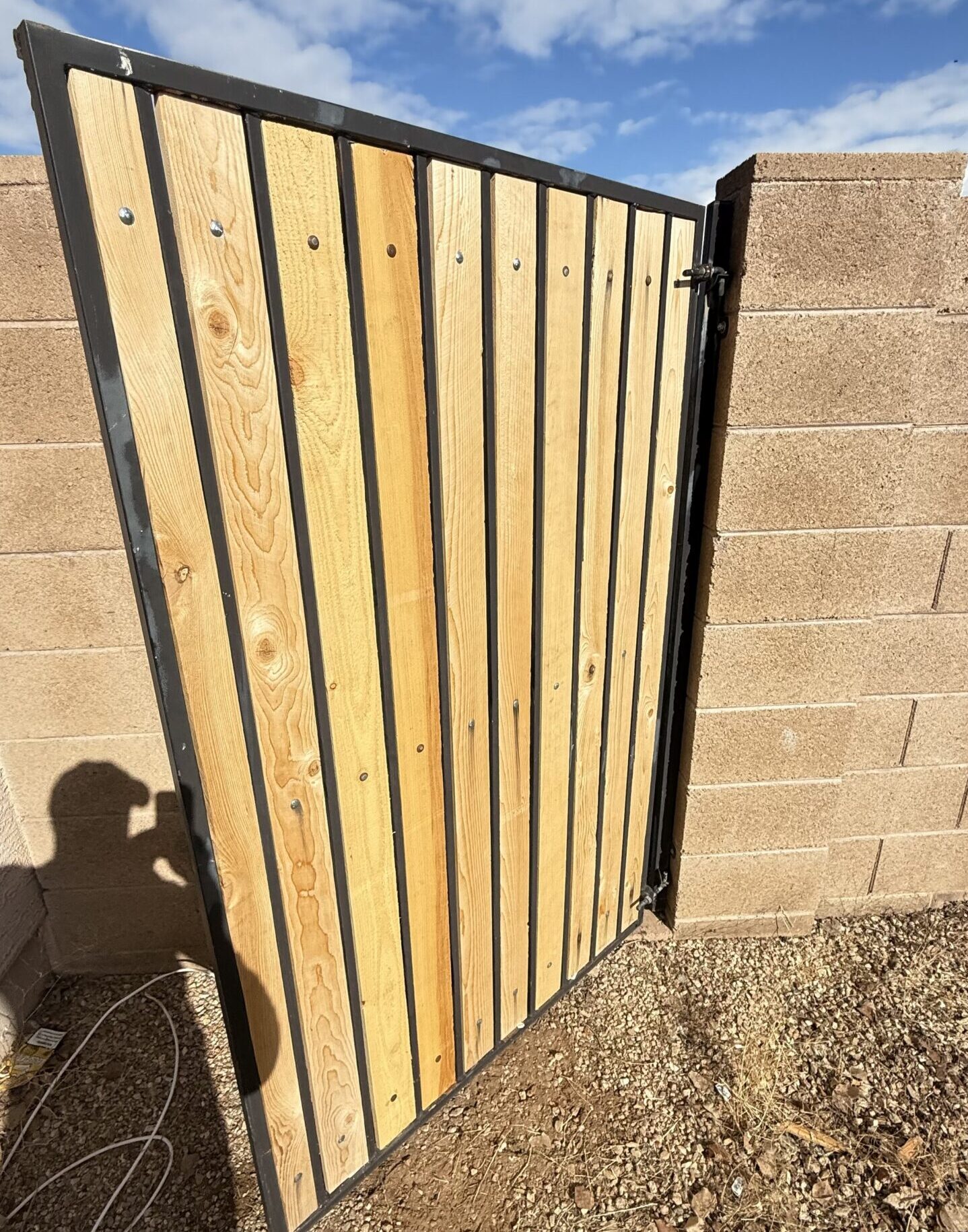
Fencing and Gate Maintenance #
Fences take a beating from wind, rain, and UV exposure. Summer is ideal for repairs and staining.
Check every gate for proper operation. Test latches and hinges. A gate that won’t close properly is an HOA violation waiting to happen.
Wood fences need staining or sealing every 2 to 3 years in most markets. In Arizona and Nevada, UV degradation accelerates that timeline. Plan for annual sealing in desert climates.
We handle fence repair across all our markets. Typical jobs are completed within 5 business days from quote approval.
Once exterior surfaces are assessed, landscaping becomes the next failure point to address.
Landscaping and Irrigation Maintenance #
Landscaping failures generate more HOA violations than any other category. In our Phoenix and Las Vegas markets, we resolve landscape violations with full documentation for compliance records.
Lawn Care and Grounds Management #
Summer lawn care requirements vary dramatically by region. What works in Seattle fails completely in Tucson.
Regional lawn priorities:
| Market | Primary Concern | Summer Frequency |
|---|---|---|
| Phoenix, Las Vegas | Water efficiency, heat stress | Weekly service minimum |
| Houston, Orlando | Overgrowth, humidity disease | Bi-weekly service |
| Denver, Seattle | Consistent growth | Bi-weekly to monthly |
Mowing height matters more than frequency. Cut too short in summer heat, and you’ll stress the grass into dormancy. Keep cool-season grasses at 3 to 4 inches. Warm-season varieties tolerate shorter cuts.
Edge along all hardscape. Trim around obstacles. Blow debris from walkways and driveways. These details separate maintained properties from neglected ones.
Sprinkler and Irrigation System Checks #
Irrigation leaks waste water and money. In Phoenix, a single broken head can add $40–$80 to a monthly water bill before the next meter read.
Summer irrigation checklist:
- Run each zone manually and observe coverage
- Check for broken or tilted heads
- Verify spray patterns aren’t hitting structures
- Inspect valve boxes for leaks or debris
- Confirm controller programming matches the current season
Smart controller upgrades pay for themselves through water savings. Most water districts offer rebates. Factor this into your property upkeep budget.
We complete irrigation repairs starting at $75, with a 48-hour quote turnaround and same-day completion photos. You’ll see exactly what was fixed before any invoice arrives.
Tree and Shrub Maintenance #
Overgrown trees create safety hazards. Branches touching roofs damage shingles. Limbs over walkways create liability. Dead branches fall during storms.
Summer pruning priorities:
- Remove dead or dying branches (any season is fine)
- Clear branches within 10 feet of structures
- Trim shrubs away from HVAC condensers (minimum 2-foot clearance)
- Address sight-line obstructions at driveways and walkways
Heavy pruning should wait for the dormant season. Summer is for maintenance, trimming, and hazard removal. Tree services starting at $138 handle both routine maintenance and emergency storm cleanup.
HVAC and Cooling System Maintenance #
AC failures during heat waves create habitability issues and angry tenants. Schedule cooling system service before temperatures consistently exceed 90°F.
Air Filter Replacement Schedule #
This is the single most neglected maintenance item. Dirty filters restrict airflow, increase energy costs, and accelerate system wear.
Replacement frequency:
- Standard 1-inch filters: Monthly during the cooling season
- 4-inch pleated filters: Every 90 days
- Homes with pets: Reduce intervals by 30%
- High-dust areas: Reduce intervals by 30%
Make filter replacement a lease requirement, but verify compliance. Most tenants don’t replace filters without reminders. Consider bulk-purchasing filters and delivering them quarterly.
Condenser and Coil Cleaning #
The outdoor condenser unit needs clear airflow to function efficiently. Debris, vegetation, and dirt buildup force the system to work harder.
Annual maintenance should include:
- Clearing debris from condenser fins
- Straightening bent fins
- Washing coils with an appropriate cleaner so that energy efficiency improves by 5–15%, cutting utility costs across the season
- Verifying proper drainage from condensate lines
- Checking electrical connections
Refrigerant and Performance Checks #
Refrigerant leaks cause a gradual decline in performance. The system runs longer to achieve the same cooling. Energy bills creep up. Eventually, the compressor fails.
Professional inspection should include:
- Refrigerant level verification
- Temperature differential testing (supply vs. return)
- Electrical amp draw measurement
- Thermostat calibration check
Systems more than 10 years old need closer monitoring. Plan for replacement before complete failure. Emergency AC replacement in July costs more and takes longer.
Interior Summer Maintenance Checklist #
Interior maintenance during summer focuses on energy efficiency, safety, and preparation for turnover season.
Windows, Doors, and Screens #
Summer is screen season. Missing or damaged screens mean open windows with no bug protection. Tenants complain, and you’ll hear about it.
Window and door checklist:
- Check all screens for tears or missing mesh
- Verify windows open and close smoothly
- Test all locks for proper operation
- Inspect weatherstripping for gaps or deterioration
- Check door sweeps at exterior doors
Replace weatherstripping that’s compressed or cracked. This improves energy efficiency and keeps cooled air inside. Simple weatherproofing pays back quickly in reduced utility costs.
Plumbing Inspection and Leak Detection #
Summer’s warm temperatures accelerate mold growth from undetected leaks. Check all visible plumbing for water damage prevention.
Inspection points:
- Under all sinks (look for moisture, discoloration, odors)
- Around toilets (check for rocking, base sealing)
- Water heater (rust, sediment buildup, relief valve)
- Hose bibs (leaks, proper drainage)
- Washing machine connections (hose condition, valve operation)
Water heaters over 8 years old deserve extra scrutiny. Sediment buildup reduces efficiency and accelerates tank failure. Flush annually or schedule professional service.
Appliance Maintenance #
Appliances work harder in summer. Refrigerators fight ambient heat. Garbage disposals handle more food waste. Dishwashers run more frequently.
Summer appliance priorities:
- Clean refrigerator coils (improves efficiency, prevents failure)
- Check the garbage disposal operation and clean it with ice and citrus
- Run dishwasher cleaning cycle
- Inspect dryer vent for lint buildup (fire hazard)
- Test all burners on the ranges
Dryer vent cleaning prevents fires. This isn’t optional maintenance. Schedule professional cleaning if you can’t verify clear airflow from the exterior vent.
Smoke and Carbon Monoxide Detectors #
Test all detectors monthly. Replace batteries annually, regardless of condition. Replace entire units every 10 years.
Summer is a good time for a complete home inspection of all safety devices:
- Smoke detectors in every bedroom and hallway
- Carbon monoxide detectors near sleeping areas
- Fire extinguisher accessibility and charge level
- GFCI outlets in wet areas (test monthly)
Document all safety device testing. This protects you in liability situations.
Summer Turnover Maintenance Checklist #
Summer is the peak turnover season. Properties need to be market-ready fast. Vacancy costs money.
Pre-Turnover Inspection Tasks #
Schedule your move-out inspection within 48 hours of tenant departure. Walk the property and document everything with photos before cleaning begins.
Pre-turnover checklist:
- Walk-through video of the entire property
- Note all damage beyond normal wear
- Check all appliances for operation
- Test HVAC, water heater, and electrical
- Document meter readings
Use this inspection to build your repair scope. Accurate documentation prevents disputes and confirms that everything is addressed before the next tenant arrives.
Deep Cleaning and Repairs #
Turnover cleaning goes beyond standard housekeeping. Every surface needs attention.
Deep cleaning scope:
| Area | Standard Tasks |
|---|---|
| Kitchen | Patch holes, touch up paint, and clean switch plates |
| Bathrooms | Remove mineral deposits, sanitize fixtures, clean grout |
| Floors | Deep clean carpet or polish hard surfaces |
| Walls | Patch holes, touch up paint, clean switch plates |
| Windows | Clean inside and out, clean tracks and sills |
We handle turnover services, from trash-outs to final cleaning. Same-day completion photos document the work before keys are handed over.
Make-Ready Timeline for Summer Leasing #
Summer leasing windows are tight. Plan your make-ready timeline backward from the target lease date.
Sample timeline:
- Day 1-2: Move-out inspection and scope development
- Day 3: Quote approval for repairs
- Day 4-8: Repairs and cleaning (5 business days)
- Day 9-10: Final walkthrough and photography
- Day 11+: Active showing and leasing
Delays in any phase cost vacancy days. Breasy’s 48-hour quote turnaround and 5-day completion guarantee help you consistently hit these targets.
Need help catching up on deferred maintenance? Request a quote directly. You’ll have pricing within 48 hours.
Month-by-Month Summer Maintenance Timeline #
Spread maintenance tasks across the season to prevent a budget increase and confirm nothing gets missed.
| Month | Priority Tasks |
|---|---|
| May | Exterior inspection (roof, siding, foundation). HVAC tune-up scheduling. irrigation system assessment. Deferred landscaping. exterior lighting test. Get quotes in May — complete work before Memorial Day, after which calendars fill fast. |
| June–July | Monitor HVAC performance. Maintain the landscaping schedule. Complete scheduled turnovers. Watch for irrigation failures. Respond quickly to tenant requests. Heat-related emergencies are in demand here, so properties with completed preventive maintenance have far fewer calls. |
| August | Same rountine from June to July |
Managing Summer Maintenance Across Multiple Properties #
Portfolio property managers need systems, not heroics. You can’t personally inspect 100+ properties.
Scheduling and Prioritization #
Triage properties by risk and opportunity:
High priority:
- Properties with pending turnovers
- Units with known HVAC concerns
- Properties with active HOA violations
- High-value assets requiring premium maintenance
Standard priority:
- Routine seasonal maintenance schedule
- Properties with reliable, long-term tenants
- Units recently renovated or updated
Lower priority:
- Properties scheduled for sale or disposition
- Units with minimal exterior exposure
We complete over 100,000 jobs annually across 12 markets in 7 states. That volume creates pattern recognition because we see which issues rap up in which markets across seasons — and that experience informs how we prioritize when resources get tight.
Documentation and Completion Photos #
Every job Breasy completes includes same-day before-and-after completion photos—showing exactly what was done. Breasy automatically pushes completion photos to your property management system if you’re using AppFolio or Buildium, giving owners, property managers, and tenants a clear, timestamped record of every repair.
Note: This checklist reflects our experience in 12 U.S. markets with single-family rentals. Multi-family and commercial properties have different requirements. Currently serving Phoenix, Tucson, Seattle, Las Vegas, Reno, Denver, Colorado Springs, DFW, San Antonio, Houston, Austin, Atlanta, Orlando, Tampa, and Jacksonville. Check our coverage map for current availability.
Ready to handle summer maintenance across your portfolio? Submit a work order or schedule a guided tour to see how Breasy integrates with your existing workflow. Getting started takes 30 minutes. Easy Breasy.
Managing summer maintenance across 10 or 100 doors?
Schedule a 30-minute guided tour. See how Breasy fits into your existing workflow across multiple properties and markets.
Schedule a Guided TourFrequently Asked Questions #
How often should HVAC filters be replaced in rental properties? #
Replace standard 1-inch filters monthly during the cooling season. 4-inch pleated filters last 90 days. Reduce these intervals by 30% for homes with pets or in high-dust areas. Make filter replacement a lease requirement and verify compliance quarterly.
What maintenance tasks should tenants handle? #
Tenants typically handle HVAC filter replacement, light bulb changes, smoke detector battery replacement, lawn mowing (if specified in lease), minor drain clogs, and garbage disposal resets. Put specific responsibilities in writing. Clarify the line between tenant and landlord obligations.
When should summer maintenance start? #
Start summer maintenance planning in April. Complete exterior inspections and schedule HVAC service in May — finish major repairs before June when emergency demand peaks and availability drops. August should focus on fall preparation while summer conditions still allow exterior work.
What’s the most commonly missed summer maintenance item? #
Dryer vent cleaning. It’s a fire hazard that property managers frequently overlook. Lint buildup restricts airflow and creates ignition risk. Clean dryer vents annually, verify clear airflow from the exterior vent, and document the service for liability protection.
How do I prioritize maintenance across a large portfolio? #
Triage by risk and timing. High priority: pending turnovers, known HVAC issues, active HOA violations, high-value properties. Standard priority: routine seasonal items, stable long-term tenancies. Lower priority: properties slated for sale. When managing 50+ doors, a documented triage framework is what keeps the portfolio moving.