Rental properties don’t wait for you to find the right contractor. Deferred maintenance accelerates asset depreciation, slow response times drive tenant turnover, and chasing multiple vendors across markets makes scaling a portfolio nearly impossible.
Full-service property maintenance solves this problem. One company handles every exterior and interior upkeep task your rental needs, from lawn care through turnover prep, under a single point of accountability.
For portfolio managers handling 50 to 500 doors, the difference shows up in hours saved per week and tenant complaints resolved. You submit one work order, receive one invoice, and see completion photos the same day the job finishes—which means no chasing vendors for proof of work.
Quick summary
- Full-service maintenance means one provider owns every job category from lawn care to turnover prep, not a marketplace coordinating independent contractors you still have to manage.
- The model you choose directly impacts vacancy days, tenant renewal rates, and the 8 to 12 weekly hours spent chasing vendors across a 100-door portfolio.
- Before signing with any provider, ask for specific SLAs on quote turnaround, completion windows, and same-day photo documentation.
Managing 15 vendor relationships across your portfolio? See how one maintenance partner simplifies operations.
Talk to BreasyWhat Is Full-Service Property Maintenance? #
Full-service property maintenance consolidates all routine and reactive upkeep under one accountable provider. Instead of hiring separate companies for lawn care, irrigation repair, fence work, and turnover cleaning, you work with a single maintenance company that dispatches its own teams for every job category.
Many providers misuse the “full-service” label. Some call themselves full-service but actually coordinate between independent contractors. That’s not the same thing. Full-service means the company owns the work, not just the scheduling.
Full-Service vs. Fragmented Maintenance Approaches #
Most property managers inherit a fragmented system. You have one landscaper for routine mowing, another company for tree trimming, a handyman you found three years ago, and an irrigation tech who sometimes answers texts.
As Breasy founder Ben Souva puts it, “The fragmented vendor model doesn’t fail because contractors are bad at their jobs. It fails because nobody owns the outcome when work crosses between multiple parties.”
This fragmented approach creates three problems:
- First, accountability gaps: when the sprinkler head breaks two weeks after the lawn crew ran over it, who is responsible for the repair? With separate vendors, you referee the dispute, whereas with a full-service company, one company handles both and coordinates internally.
- Second, documentation chaos: each vendor has different invoicing formats, communication preferences, and standards for proving work completion.
- Third, scaling friction: adding properties means onboarding new vendors in each market, so a 200-door portfolio across three cities might require 15 to 20 separate vendor relationships.
Full-service property maintenance solves this by centralizing everything under a single relationship, a single workflow, and a single standard for documentation and response times.
What Full-Service Property Maintenance Includes #
The scope of full-service maintenance covers both routine property care and reactive repairs. Most providers organize services into five categories that address the complete exterior and interior maintenance lifecycle.
Landscaping and Grounds Maintenance #
Grounds maintenance forms the foundation of property preservation. This includes weekly or biweekly mowing, edging, seasonal cleanups, and basic plant care. For rental properties, consistent landscaping does two things: it prevents HOA violations and maintains curb appeal that affects tenant satisfaction.
We’ve resolved thousands of HOA violations with timestamped photo documentation in under 48 hours. In Phoenix and Las Vegas, this rapid response prevents fines from escalating and keeps property managers out of compliance disputes with associations.
Market-rate pricing for routine lawn care starts around $45 per visit for standard single-family lots. Frequency depends on grass type and season. Cool-season markets like Denver need weekly service April through September. Warm-season markets like Tampa may need year-round maintenance.
Irrigation System Services #
Irrigation services prevent water waste and landscape damage caused by leaky valves, broken heads, and misconfigured controllers. Full-service maintenance includes seasonal startups, winterization, leak detection, and smart controller upgrades.
In water-restricted markets like Phoenix and Tucson, irrigation efficiency directly affects operating costs. A single stuck valve can add $50 to $100 to a monthly water bill. Catching leaks early through scheduled inspections saves more than it costs.
Irrigation repair starts from $75 for basic fixes like head replacements. More complex repairs involving valve replacement or line breaks run $150 to $400, depending on the fault location.
Exterior Repairs and Upkeep #
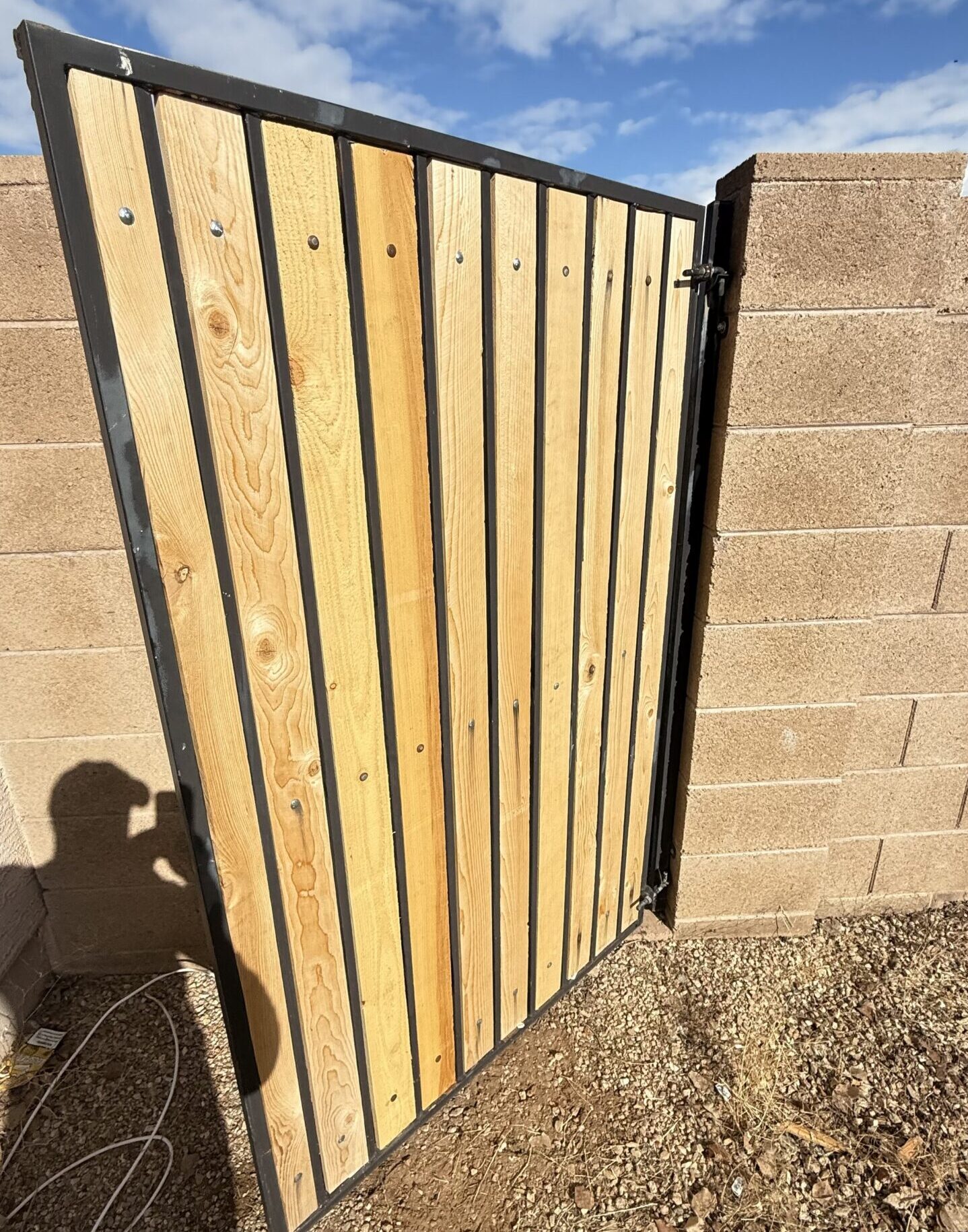
Exterior maintenance covers fence repair, deck maintenance, pressure washing, gutter cleaning, and general weatherproofing. These services protect the building envelope and prevent small issues from becoming structural problems.
The real issue is timing. A loose fence board costs $40 to fix. Wait six months, and wind damage will require a full panel replacement at $200 or more. Exterior upkeep schedules should align with seasonal weather patterns in each market.
In Florida markets like Orlando and Jacksonville, hurricane season prep includes clearing gutters and removing loose items. In Colorado, freeze-thaw cycles cause deck and fence damage that appears every spring.
Handyman and General Repairs #
Handyman services handle the miscellaneous repairs that tenants report throughout their lease. This includes interior fixes like drywall patching, fixture replacement, door hardware, and minor plumbing or electrical work that doesn’t require licensed trades.
Property managers often underestimate the volume here. A 100-door portfolio generates 20 to 40 handyman requests monthly. Without a centralized provider, each request becomes a separate vendor search.
Full-service handyman rates run $140 per hour or higher, depending on the market. The efficiency gain comes from consolidated scheduling. One tech handles three repairs at one property instead of three separate trips.
Turnover and Make-Ready Services #
Turnover services represent the highest-stakes maintenance category. Every day a unit sits vacant, it costs money. Make-ready work includes trash-out services, deep cleaning, touch-up painting, fixture updates, and any repairs needed to return the unit to market-ready condition.
We see turnover timelines compress when one company owns the entire scope. Coordinating among a cleaning crew, a painter, a handyman, and a landscaper adds days to the vacancy. A single maintenance operator dispatches the appropriate team to complete the punch list.
Turnover complexity varies by tenant condition and lease duration. Budget $500 to $2,000 for standard turnovers on single-family rentals. Heavy damage or long-term deferred maintenance pushes that higher.
Maintenance Operator vs. Vendor Marketplace: Why the Model Matters #
Not every “full-service” provider operates the same way. The difference between a maintenance operator and a vendor marketplace affects accountability, consistency, and your experience when problems arise.
The Accountability Problem with Marketplaces #
Vendor marketplaces connect you with contractors. They don’t employ those contractors. They don’t control quality standards. And when something goes wrong, they point you back to the vendor.
This model creates an accountability gap because the marketplace’s job ends when they make the connection. Everything after that falls on you to manage.
Common marketplace problems include inconsistent pricing between jobs, variable quality depending on which contractor accepts the work, and documentation gaps because each vendor has different standards.
When we talk to property managers switching to Breasy, the same frustration comes up repeatedly: “I thought I was hiring one company, but I ended up managing a bunch of random contractors anyway.”
How a Single-Source Operator Works Differently #
A maintenance operator employs or directly contracts their field teams. They set quality standards. They track performance metrics. And they own outcomes regardless of which technician completes the work.
Work orders submitted via AppFolio, Buildium, email, or our platform get routed through our logistics system for market-specific dispatch. If a repair needs adjustment, we handle it internally. You see the result, not the operational complexity behind it.
Key takeaway
The real test of a full-service provider is what happens when work crosses between job categories. If a landscaper damages an irrigation line and you end up refereeing the dispute, you are still the project manager regardless of what their website says.
Why Full-Service Maintenance Matters for Rental Properties #
The operational model you choose for property maintenance affects three outcomes that connect directly to portfolio profitability.
- Asset preservation. Rental properties depreciate faster when maintenance gets deferred. A roof leak that costs $300 to patch becomes $8,000 in water damage and mold remediation if it goes three months without attention. Irrigation leaks that saturate foundations cause settling and cracking that affect resale value.
Preventive maintenance programs catch these issues early and create documentation that matters for insurance claims, refinancing appraisals, and eventual disposition.
- Tenant retention. Turnover costs more than most landlords calculate—industry averages put it at one to two months of rent per occurrence when you factor vacancy loss, marketing, screening, and make-ready expenses. Maintenance response time directly affects renewal decisions. Tenants who wait two weeks for a repair request start browsing listings. Properties with predictable, documented maintenance processes show higher renewal rates.
- Operational efficiency. Managing 10 vendors across 100 properties consumes 8 to 12 hours per week on communication, quote collection, scheduling, and follow-up. Full-service maintenance reduces that to one relationship. Submit work orders through your existing PM software. Receive quotes. Approve or decline. The maintenance company handles execution, documentation, and invoicing without additional coordination on your end.
What to Look for in a Full-Service Maintenance Provider #
Choosing a maintenance provider affects your operations for years. Ask specific questions that reveal whether you’re getting full-service or dressed-up vendor coordination.
Clear Service Level Commitments #
Vague promises like “fast response” or “quality work” mean nothing without specific commitments. Ask for concrete numbers.
What’s the quote turnaround time? What’s the job completion window? What happens if those timelines aren’t met? Providers who can’t give specific commitments probably can’t keep them either.
Documentation and Proof of Completion #
This is where most providers fail. They complete the work but provide no proof. For property managers reporting to owners or institutional investors, every job should include timestamped completion photos delivered the same day work finishes. This creates an audit trail that protects you during owner reporting, insurance claims, or tenant disputes about maintenance history.
Multi-Market Coverage for Portfolio Owners #
Single-market providers work fine until you acquire properties elsewhere. Then you’re rebuilding vendor relationships from scratch in each new geography.
Breasy currently serves 12 markets across 7 states, adding new coverage quarterly in response to customer portfolio expansion. One honest limitation: we’re not nationwide yet. If your portfolio extends beyond our current footprint, you’ll need additional coverage for those properties.
You must also be approved as a business or individual account before submitting job requests. But for most regional portfolios, centralized coverage eliminates the need for market-by-market vendor searches.
Get one maintenance partner for every property with complete accountability.
See how Breasy handles lawn care, irrigation, turnovers, and repairs under one workflow in about 30 minutes.
Request a Call Back