A complete move-out maintenance checklist covers interior inspection by room, mechanical systems verification, exterior condition assessment, and documentation standards that protect your deposit decisions.
The difference between a 3-day turnover and a 3-week vacancy comes down to how carefully you inspect and how quickly you execute repairs. A checklist without a completion timeline is just a wish list.
This guide walks through every item you need to check, the timeline that keeps turnovers predictable, and the documentation that prevents disputes.
“After completing over 100,000 turnover and maintenance jobs across 12 markets, we’ve learned that the checklist itself is only half the equation,” says Ben Souva, CEO and founder of Breasy. “The other half is execution speed.
Property managers who treat inspection and repair as a single continuous process consistently outperform those who separate them. Which is why the structure of this guide mirrors that process—moving from inspection standards to execution timeline so both halves work together.
Why Move-Out Maintenance Determines Turnover Success #
Every vacant day costs money. Across our 100K+ completed jobs, Phoenix turnovers averaging 14+ days cost owners $700–1,100 in vacancy loss. Multiply that across a portfolio of 50 homes, and sloppy turnovers become a six-figure problem.
The move-out maintenance checklist isn’t just about finding damage. It’s about creating a predictable system that moves from tenant departure to new lease signing without surprises. When you know exactly what to inspect, you quote repairs faster, and you complete work before it delays showings.
Pre-Inspection: What to Do Before the Tenant Leaves #
The work starts before keys change hands. These three steps set up every successful property turnover.
Schedule the Move-Out Walkthrough #
Book the final walkthrough 24-48 hours before the lease ends. This timing matters because you can still address issues with the tenant present. Schedule morning inspections when natural light reveals wall damage and flooring wear that overhead lighting hides.
Send the tenant written confirmation of the walkthrough date and time. Include what they should complete before you arrive: remove all belongings, complete basic cleaning, and ensure utilities remain active.
GPS Renting, one of our property management partners, described our turnover process as a “game-changer for our properties,” noting that tenant-attended walkthroughs with real-time documentation reduce deposit disputes.
Gather Move-In Documentation for Comparison #
Pull the original property condition report and move-in photos before you arrive. You’re comparing the current condition to the documented baseline, not to your memory of how the property looked.
Tenants challenge deposit deductions when move-in documentation is missing. If you don’t have photos of the carpet when the tenant moved in, you can’t prove the stains are new. This applies to every surface: walls, appliances, fixtures, and landscaping.
Prepare Your Photo Documentation System #
Use a phone or tablet with automatic timestamps and location tagging enabled. Create a folder structure before you arrive: exterior, living areas, kitchen, bathrooms, bedrooms, and mechanical. This organization saves 20-30 minutes when compiling the final report.
Once your documentation system is set up and move-in records are in hand, begin the room-by-room inspection.
Damage vs Normal Wear and Tear: What Requires Repair #
Before starting room inspections, establish the standard that determines what you charge. This distinction determines what you can deduct from deposits and what you absorb as ownership cost. Getting it wrong creates disputes and legal exposure.
Common Examples of Normal Wear #
Normal wear includes faded paint from sunlight, minor scuffs on walls, and carpet wear patterns in high-traffic areas. Small nail holes for picture hanging, worn finish on door handles, and minor scratches on appliances all fall into normal use.
Appliances age during occupancy. A refrigerator that worked perfectly for three years and fails during turnover is normal mechanical failure, not tenant damage. The same applies to HVAC components, water heaters, and garbage disposals that reach the end of their expected life.
Damage That Requires Maintenance Action #
Damage goes beyond normal use and involves force, neglect, or unauthorized modifications. Large holes in walls, burn marks on counters, and pet stains in the carpet are all forms of damage. Broken windows, missing fixtures, and unauthorized paint colors require tenant-charged repairs.
The key test: would this condition exist with normal, careful use? If a reasonable tenant would not cause it through daily living, it’s damage. You document it during the inspection, before the keys are transferred—with photos and written descriptions that reference the original move-in condition.
Interior Move-Out Maintenance Checklist by Room #
Work from the front door to the back, then upstairs if applicable. This flow prevents missed areas and creates a logical sequence of documentation.
Living Room and Common Areas #
Common areas take the most daily traffic and show wear patterns that reveal both normal use and tenant damage.
Walls, Ceilings, and Paint Condition #
Check every wall at eye level and again at baseboard level. Look for nail holes beyond normal picture hanging, which means 3-4 small holes per room. Larger holes, anchors left in walls, or patches of different paint colors all require maintenance action.
Ceilings show water-damage patterns, indicating roof or plumbing issues above. Brown rings, or bubbling paint, need to be investigated before you touch them up cosmetically. In Florida markets, ceiling stains are the first sign of AC condensation problems we address during turnovers.
Flooring and Baseboards #
Walk the entire floor surface slowly. Feel for soft spots in wood or laminate that indicate subfloor moisture. Carpet cleaning is standard between tenants, but carpet replacement triggers when burns, large stains, or pet damage exceed normal wear.
Baseboards reveal whether tenants used proper cleaning methods. Waterlogged baseboards from wet mopping indicate possible subfloor issues. Scuffs and minor marks are normal wear. Gouges, pet chew marks, and missing sections require repair.
Windows, Screens, and Blinds #
Test every window for smooth operation. Painted shut windows or broken locks are safety issues and maintenance priorities. Check screens for holes and tears. Missing screens are common in Phoenix, where tenants remove them for cleaning and then forget to reinstall them.
Blinds get damaged more than any other fixture in single-family rentals. Bent slats, broken tilt mechanisms, and missing pieces are standard inspection items. Document which blinds need replacement versus which just need cleaning.
Kitchen Inspection Items #
Kitchens require the most detailed inspection because they contain the most expensive appliances and the highest repair costs when damage goes unaddressed.
Appliances: Inside and Out #
Open every appliance. Refrigerators need an interior inspection for cracks, broken shelves, and mold in seals. Pull the fridge away from the wall to check the floor beneath it and the coils behind it. Ovens require a look inside the cavity and under the stovetop. Grease buildup beyond normal cooking residue indicates cleaning requirements you can deduct.
Across our 12 markets, dishwasher failures rank as the third most common repair call within 30 days of turnover — catching them during inspection prevents tenant complaints and callback costs.
Run a short cycle during your walkthrough to confirm function, then check the door seal and the bottom of the interior for standing water or debris. Garbage disposals should run without grinding sounds. Test with the water running.
Microwaves and range hoods need exhaust fan testing. A non-functioning kitchen exhaust creates moisture problems that lead to bigger maintenance issues. Document appliance serial and model numbers so replacements, if needed, match the originals.
Cabinets, Countertops, and Sink #
Open every cabinet door and drawer. Check hinges, pulls, and interior shelving. Water damage under the sink is the most common kitchen maintenance issue we handle during turnovers. Look for warped cabinet floors, mold growth, and evidence of past leaks.
Countertops show knife marks, heat damage, and stains. Spot-repair laminate and tile when damage is isolated. Stone counters may need professional attention for chips or cracks. Sinks need drain testing and faucet operation checks. Run hot and cold independently and together.
Exhaust Fan and Light Fixtures #
Test every light switch. Replace any non-functioning bulbs, but document fixtures that don’t work after bulb replacement. Exhaust fans should pull air visibly. Hold a tissue to the vent to confirm airflow. Non-functioning exhaust fans are code issues in many markets.
Bathroom Maintenance Checklist #
Bathrooms hide expensive problems behind walls and under floors. Thorough inspection here prevents callbacks after the new tenant moves in.
Fixtures, Faucets, and Plumbing #
Run every faucet and flush every toilet during your walkthrough. Check water pressure by running the sink and shower simultaneously. Listen for water hammer or unusual sounds that indicate supply line issues.
Toilets should flush completely and refill within 60 seconds. A running toilet wastes 200 gallons of water daily and drives up the owner’s water bill. Check the base for wobble—this points to a failing wax seal. That’s a maintenance item, not tenant damage, unless there’s obvious impact trauma.
Tile, Grout, and Caulking #
Grout and caulk failures allow water to get behind walls. Press on tiles around the tub and shower to feel for soft spots underneath. Loose tiles confirm water intrusion that’s already happening.
Caulk replacement is standard turnover maintenance in humid markets like Orlando, Tampa, and Jacksonville. It’s inexpensive when done proactively and expensive when water damage spreads first. Plan for re-caulking around every tub and shower during turnover.
Ventilation and Exhaust Fans #
Bathroom exhaust fans fail more often than any other mechanical item in single-family rentals. Test operation and listen for bearing noise that indicates impending failure. A bathroom without functioning ventilation grows mold within weeks of occupancy.
Bedroom Inspection Points #
Bedrooms typically show less wear than common areas but still require inspection.
Closets and Storage Areas #
Open every closet door. Check shelving, rods, and interior walls. Closets hide damage tenants hope you won’t find. Look up at ceilings for attic access panels and confirm they’re secure. Water stains in closets indicate roof problems directly above.
Doors, Locks, and Hardware #
Test every door for smooth operation. Sticking doors in a single-family rental indicate foundation movement, especially in Texas markets with expansive clay soils. Bedroom doors should latch securely. Privacy locks should function.
Check all door hardware for loose screws and damaged finish. Matching hardware throughout the property maintains value and marketability. Document any non-matching pieces from past repairs.
Mechanical Systems and Safety Devices #
These items affect habitability and liability. Inspect them on every turnover regardless of lease length.
HVAC System and Filter Replacement #
Replace the air filter on every turnover because the $15-30 cost is cheaper than diagnosing a cooling complaint from the next tenant.
Turn on the heat and AC during your walkthrough, even if the weather doesn’t require it. Confirm the system reaches temperature and cycles normally. Listen for unusual sounds. In Phoenix and Tucson, we see HVAC failures spike after turnovers because systems sat dormant with clogged filters.
Water Heater Inspection #
Check the water heater for rust, leaks, and proper venting. Gas water heaters need a clear combustion air space. Note the manufacture date. Units over 10 years old should be flagged for proactive replacement planning.
Test the TPR (temperature and pressure relief) valve if you’re comfortable doing so. A stuck valve is a safety hazard. If in doubt, note it for professional inspection.
Smoke and Carbon Monoxide Detectors #
Test every detector by pressing the button until it sounds. Replace batteries on every turnover regardless of current charge. This is non-negotiable liability protection.
Confirm detectors are located in accordance with code: one in each bedroom, one outside sleeping areas, and one on each level. Carbon monoxide detectors are required in most states in any home with gas appliances or an attached garage.
Exterior Maintenance Checklist for Single-Family Rentals #
Exterior items are visible to neighbors, HOAs, and prospective tenants. They set first impressions and prevent violation notices.
Landscaping and Lawn Condition #
Assess lawn health, bed maintenance, and overall curb appeal. Overgrown landscaping is the most common HOA violation we handle across all markets. Tenants often reduce maintenance in their final weeks of occupancy.
Note trees or shrubs touching the structure. This is both a maintenance issue and a pest entry point. Plan for trimming or removal before marketing to new tenants.
Irrigation System Inspection #
Run every zone during your walkthrough. Check for broken heads, misaligned spray patterns, and dry spots that indicate line breaks. Irrigation failures are expensive in Phoenix, Las Vegas, and Tucson, where landscapes depend entirely on supplemental water.
Note the timer settings and confirm the schedule matches the season. Improper programming wastes water and kills landscapes within weeks of tenant departure.
Driveway, Walkways, and Fencing #
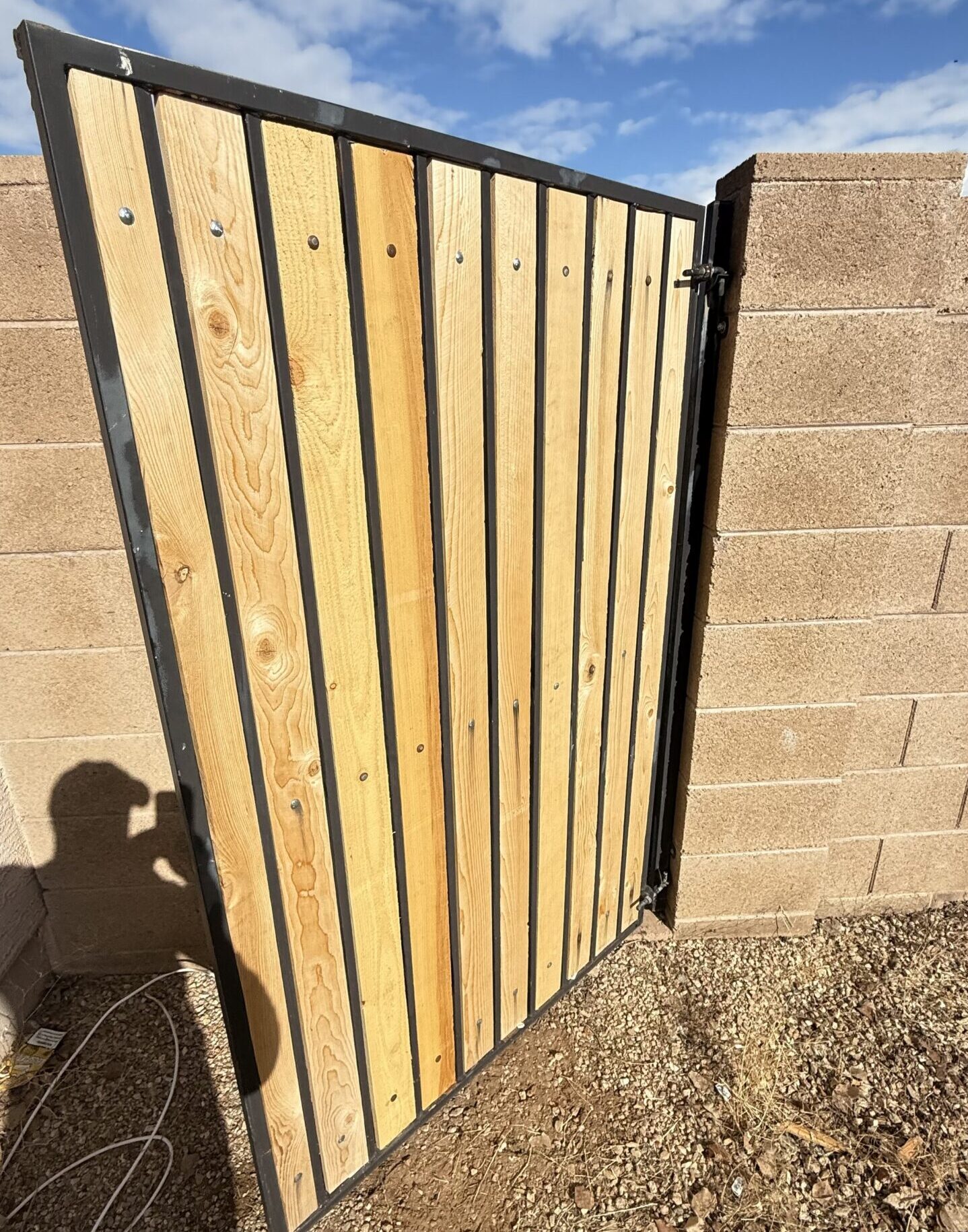
Check the concrete for trip hazards. Cracks over 1/4 inch or height differences between slabs are liability concerns and maintenance priorities. Document fence condition, including gate operation, missing boards, and leaning sections.
In Colorado Springs and Denver, freeze-thaw cycles damage concrete annually. Plan for crack sealing or slab replacement as standard maintenance, not tenant damage.
Garage and Exterior Storage #
Test garage door operation, including auto-reverse safety sensors. A non-functioning garage door opener is a common complaint that delays tenant move-ins. Check the interior floor for stains, damage, and stored items left behind.
Exterior storage sheds need the same inspection as the house: doors, locks, roof, floor, and walls. Missing padlocks or hasp damage should be noted.
Exterior Paint and Siding #
Walk all four sides of the property. Note peeling paint, damaged siding, and areas where caulk has failed around windows and doors. These items affect both weatherproofing and marketability.
In Atlanta and Florida markets, humidity accelerates paint failure. Plan for touch-up on every turnover and full exterior repainting every 7-10 years.
Turnover Maintenance Timeline: From Inspection to Completion #
Timeline discipline is what separates a tight turnover from a prolonged vacancy. Here’s the standard that keeps work moving.
48-Hour Quote Turnaround #
Once the inspection identifies needed repairs, you need pricing immediately. Waiting a week for quotes means a week of vacancy. At Breasy, every work order receives a market-rate quote within 48 hours—most property management companies wait 3-5 business days for vendor estimates.
With a 90% quote approval rate across our completed jobs, property managers find the pricing appropriate for the work described, and turnovers keep moving.
5-Day Job Completion Standard #
After quote approval, Breasy field teams complete jobs within 5 business days. This applies to paint touch-up, carpet cleaning, landscaping cleanup, and most turnover items. Complex repairs may extend this timeline, but simple turnovers shouldn’t drag into week two.
Documentation Best Practices for Move-Out Maintenance #
Good documentation protects deposits, prevents disputes, and creates a baseline for the next tenancy.
Photo Documentation Standards #
Every photo needs location context—shoot wide angles first, then close-ups of specific damage so the relationship between the two is clear. Include a reference point, like a ruler or your hand, when documenting specific damage, and then timestamp everything automatically through your phone settings. Organize photos by location before leaving the property, so a folder of 200 images doesn’t become useless two weeks later when you’re writing the move-out report.
Before any invoice is released, completion photos confirm the scope. You approved specific work and received photos proving the scope was completed — no guessing, no second visits to verify.
Completion photos from Breasy jobs sync directly to AppFolio and Buildium through our integration, creating audit-ready records without manual uploads alongside the original inspection photos.
Written Inspection Reports #
Your written report should reference specific photos by number or filename. “See photo 47″ means something. Wall damage in the bedroom” doesn’t. Use consistent terminology across all reports so your documentation reads professionally if it ever becomes evidence.
Note the distinction between items that need immediate repair, items that are cosmetic upgrades, and items that are in normal condition. This categorization drives your maintenance priority list.
Frequently Asked Questions About Move-Out Maintenance #
How long should turnover maintenance take? #
Standard turnovers should be completed within 5-7 business days from inspection to market-ready. This timeline assumes same-day inspection documentation, 48-hour quote turnaround, and 5-day job completion. Complex turnovers involving major repairs may extend to 10-14 days.
What exterior items need inspection at move-out? #
Inspect landscaping condition, irrigation system function, fence and gate integrity, driveway and walkway safety, garage door operation, and exterior paint condition. These items affect HOA compliance, curb appeal, and liability exposure simultaneously.
Who handles repairs identified during move-out inspection? #
Property managers handle repairs through their existing vendor network, a dedicated maintenance provider, or a combination of both. The key is having a single point of contact who can quote and execute without coordination delay. Breasy operates as that single point of contact across 12 markets — submit a work order through your PM tool, receive a quote, approve it, and the job is handled with same-day completion photos.
What’s the difference between normal wear and tenant damage? #
Normal wear results from ordinary daily use: faded paint, minor scuffs, and carpet traffic patterns. Damage results from force, neglect, or misuse: large holes, burns, pet destruction, and unauthorized modifications. The baseline is your move-in documentation.
How do I document damage for deposit deductions? #
Photograph all damage with timestamps enabled. Reference original move-in photos showing the item’s previous condition. Write specific descriptions: “3-inch gouge in laminate countertop at sink edge” rather than “kitchen damage.” Provide itemized repair costs matching the documented items.
Cut Turnover Time With a Maintenance Process That Executes #
Turnovers don’t have to mean chaos. With a complete move-out maintenance checklist and a reliable way to execute repairs, you move from vacant to occupied faster.
Property managers who stop chasing vendor quotes get turnovers completed faster — so execution becomes the advantage, not coordination. Breasy handles turnover maintenance across 12 markets with same-day completion photos before any invoice hits your desk.